
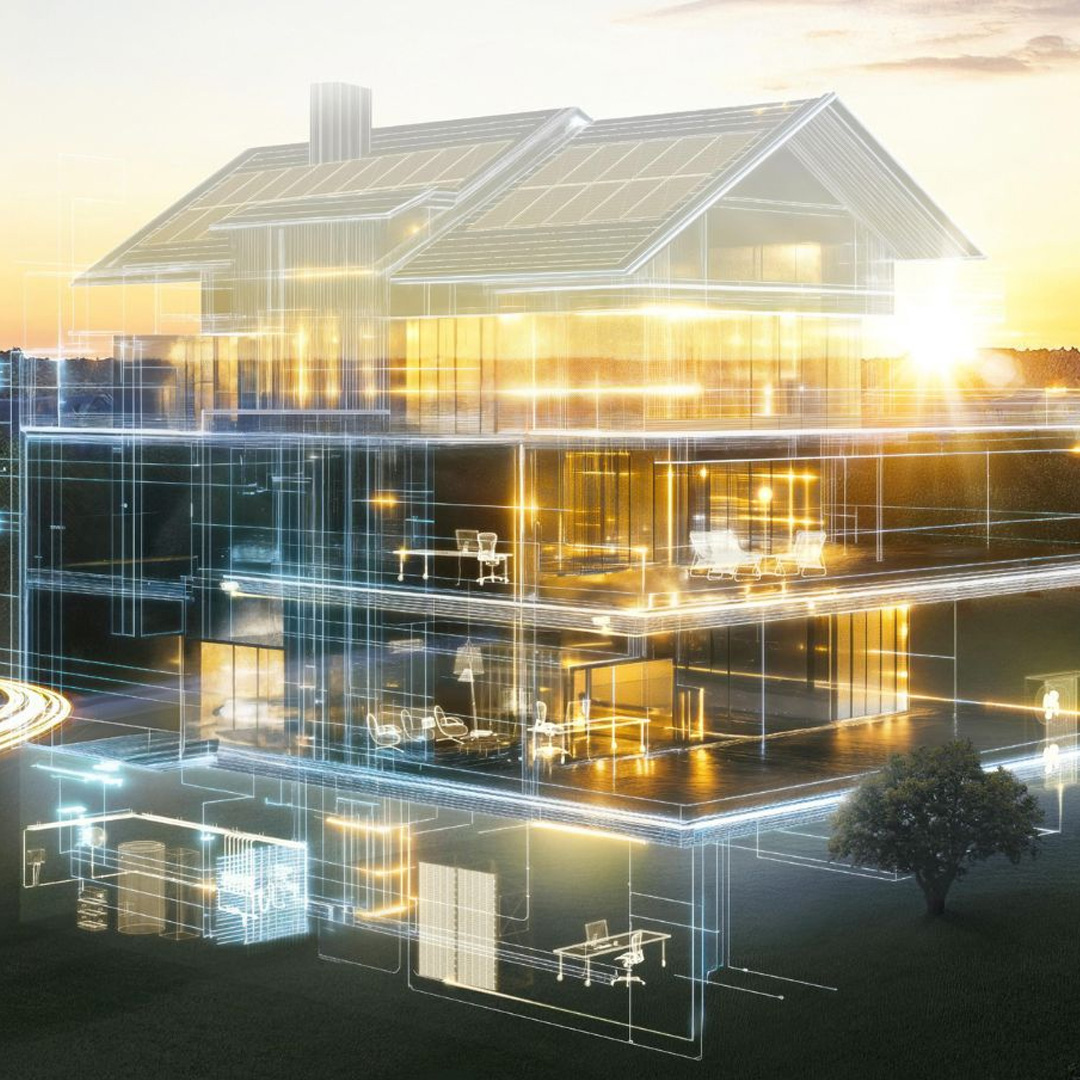

The Automation Engine integrates different building systems (e.g., lighting, HVAC, and energy management) into a single, unified control platform.
It automates tasks like adjusting the temperature based on occupancy, controlling lighting based on time of day, or regulating HVAC systems for optimal energy use.
The engine can identify patterns in energy usage and adjust the operation of systems to minimize energy consumption without compromising comfort or safety.
The engine allows facility managers to monitor and adjust systems remotely, ensuring that the building's systems are always operating efficiently.
By automating building systems based on real-time conditions, it helps reduce energy waste and improve overall operational efficiency.
Automation reduces the need for manual interventions, optimizing operational costs and improving energy savings.
Ensures optimal comfort for building occupants by automatically adjusting environmental systems based on their needs and preferences.
The Video Engine consolidates video feeds from multiple security cameras and enables centralized viewing and management.
It provides real-time viewing of surveillance footage from various locations within the building, ensuring that security personnel can monitor key areas effectively.
The system stores video footage for future review and provides playback capabilities for incidents or security audits.
The engine can trigger recording or alarms based on specific events, such as motion detection or unauthorized access.
The Video Engine improves building security by providing continuous monitoring, ensuring immediate responses to potential security threats.
Video recordings help in documenting incidents and providing visual evidence for investigations or audits.
The system allows for remote monitoring, enabling security teams to oversee building surveillance from anywhere.
The Security Engine integrates multiple security technologies, such as alarm systems, motion detectors, and security cameras, into one unified system.
It provides real-time alerts to security personnel in case of breaches, unauthorized access, or suspicious activity.
The engine can automatically trigger security protocols, such as locking doors or activating alarms, in response to security events.
Security personnel can monitor all security systems from a centralized interface, streamlining operations and improving response time.
It provides a holistic approach to security, integrating all systems for better control and quicker responses to threats.
By centralizing security management, the system reduces the risk of unauthorized access, theft, and other security threats.
It streamlines security operations and response time, improving overall building safety.
The Access Engine manages user credentials, such as ID cards or biometric data, to grant or deny access to specific areas of the building.
It works in conjunction with other building systems, like security alarms and video surveillance, to ensure a comprehensive security solution.
The engine monitors access in real time, logging every entry and exit, and triggering alerts if unauthorized access is attempted.
The system generates detailed reports on access events, which can be used for security audits or investigations.
It provides precise control over who can access specific areas of the building, ensuring restricted zones are protected.
By integrating with other security systems, the Access Engine helps prevent unauthorized access and ensures the safety of occupants and assets.
It provides a complete log of access events, which is useful for security audits and regulatory compliance.