
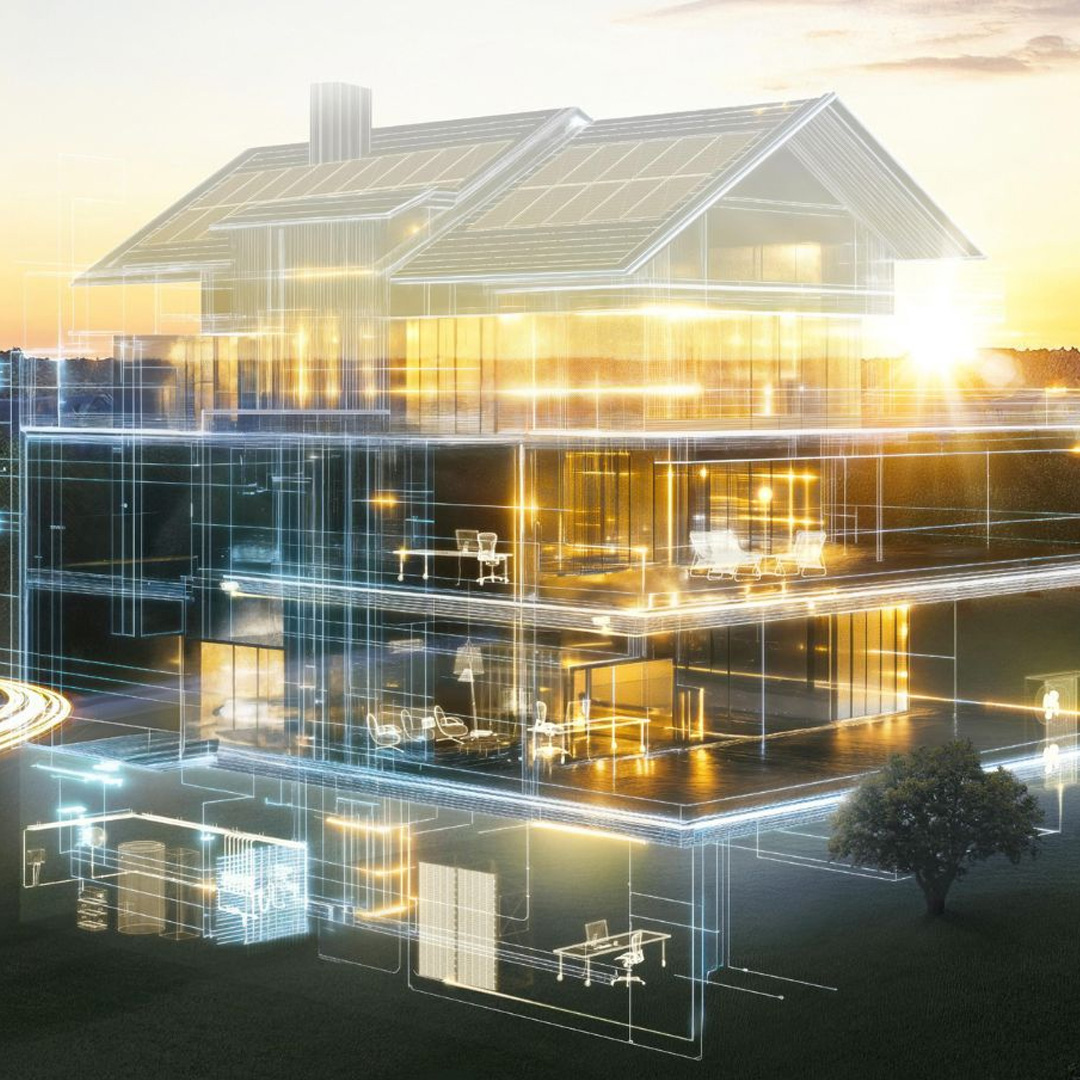

This is one of the most widely used ACS solutions, allowing organizations to regulate entry through keycards, biometric scanners, PIN codes, or mobile authentication. It ensures that only authorized individuals can enter specific areas, reducing security risks and enhancing operational efficiency.
These components support and enhance the functionality of the access control system. They include electromagnetic locks, exit buttons, door sensors, and power supply units, ensuring seamless operation and added security for controlled entry points.
This system is designed to regulate and monitor vehicle entry into secured areas such as parking lots, gated communities, and commercial premises. It uses technologies like RFID tags, license plate recognition, and barrier gates to ensure that only authorized vehicles can enter designated areas, enhancing security and traffic management.
This system is designed to manage the movement of individuals in and out of secured areas. It typically includes turnstiles, gates, or access points equipped with biometric systems, card readers, or PIN pads. It helps ensure that only authorized individuals can pass through pedestrian entry points, improving safety and controlling access in high-traffic areas.
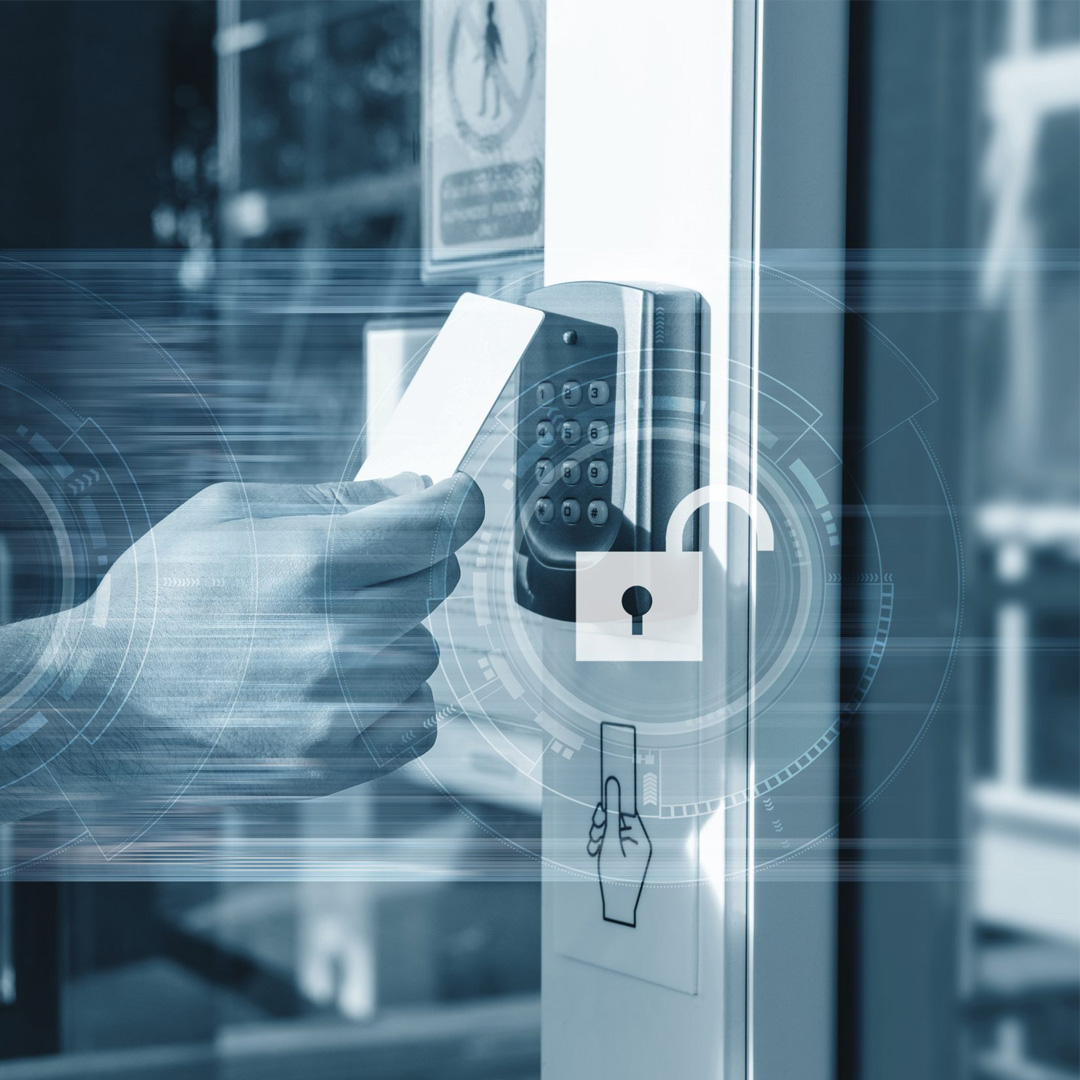
Uses credentials such as RFID cards, fingerprints, or PIN codes to verify the identity of the individual attempting to gain access.
The system records all access events, providing a detailed log of who entered and exited specific areas at what times.
The door access control system can be integrated with alarm systems, video surveillance, and building automation systems for enhanced security and operational efficiency.
Administrators can monitor and control access remotely, making it easier to grant or revoke access to certain areas in real time.
Only authorized individuals can enter restricted areas, preventing unauthorized access and enhancing overall building security.
Provides a detailed record of access events, useful for security audits and investigations.
The system can be tailored to meet specific security needs, whether for high-security areas or general access zones.
Managing access to executive offices, server rooms, or other sensitive areas.
Protecting restricted zones such as factories, warehouses, and production areas.
Controlling access to common areas and ensuring the safety of residents.
Allow authorized individuals to exit a secured area easily without needing to present credentials.
A key component in locking mechanisms, allowing the system to lock or unlock doors electronically.
Used to read access credentials, such as RFID cards or key fobs, to verify the identity of the person attempting to gain access.
Integration with electric locks or magnetic locks to secure doors when they are not in use.
Used in conjunction with access control to allow remote verification and granting of access.
Uses technologies such as RFID tags, license plate recognition (LPR), or barcode scanning to identify and authenticate vehicles.
Automatically opens or closes gates based on the authentication of the vehicle, ensuring that only authorized vehicles are allowed entry.
Some systems integrate with parking management software to track parking spaces, reservations, and available spots.
Facility managers can control and monitor vehicle access remotely, allowing for quick responses to access requests.
Prevents unauthorized vehicles from entering the premises, reducing the risk of theft or accidents.
Reduces the time and effort needed to manually check vehicles at entry points, improving traffic flow and operational efficiency.
Can be integrated with other security systems, such as surveillance cameras, to provide a comprehensive security solution.
Prevents unauthorized vehicles from entering the premises, reducing the risk of theft or accidents.
Reduces the time and effort needed to manually check vehicles at entry points, improving traffic flow and operational efficiency.
Can be integrated with other security systems, such as surveillance cameras, to provide a comprehensive security solution.
Managing access to parking lots and secure zones.
Securing access to loading docks, factories, and restricted zones.
Can be integrated with other security systems, such as surveillance cameras, to provide a comprehensive security solution.
Provides a robust solution to control and monitor who enters and exits a building, minimizing the risk of unauthorized access.
Records all access attempts and events, helping businesses maintain detailed logs for security audits or compliance purposes.
Streamlines access for authorized personnel, reducing wait times and enhancing the flow of individuals within the facility.
Securing office buildings and restricting access to certain floors or departments.
Managing entry to airports, train stations, or bus terminals.
Controlling access to different buildings or campuses, ensuring student and staff safety.