

Intrusion Alarm System

Intrusion Alarm System

Intrusion Alarm System

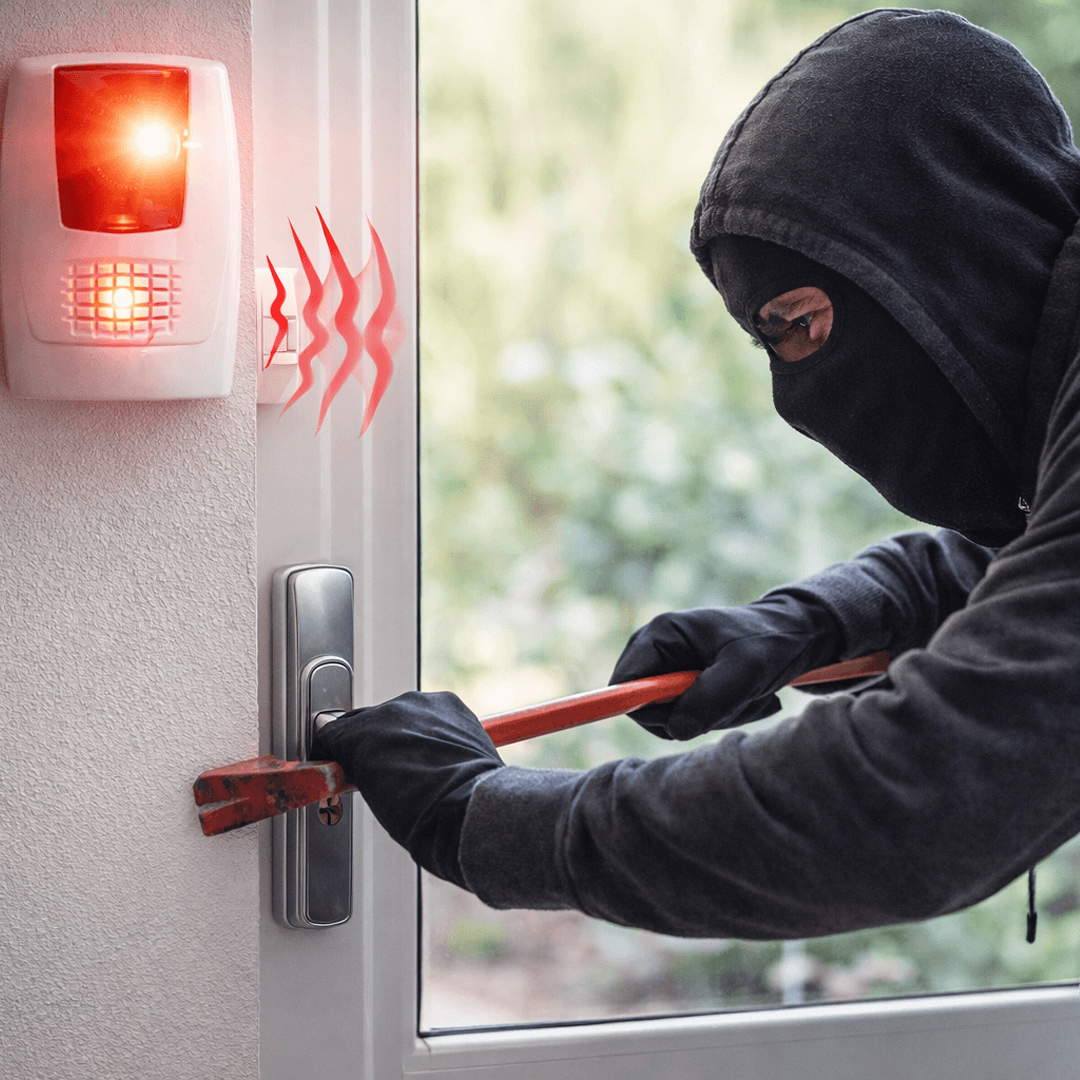
An Intrusion Alarm System (IAS) is a security solution designed to detect unauthorized access to a premises and trigger an alarm response. These systems are widely used in residential, commercial, and industrial settings to deter break-ins, monitor restricted areas, and alert security personnel of potential threats. Intrusion alarm systems can be integrated with surveillance systems, access control, and emergency response mechanisms for comprehensive security management.

The key components of an Intrusion Alarm System include:

Wired/Wireless Controller

Wired/Wireless Detectors

These components work together to provide a robust security system that enhances protection against unauthorized entry and suspicious activities.

Features:

Real-time intrusion detection

Immediate alert notifications

Customizable for residential and commercial use

Intrusion Alarm System - Advanced Version

The Advanced Intrusion Alarm System includes enhanced features such as facial recognition and advanced motion detection capabilities.

It integrates with smart home systems and can be controlled remotely via mobile apps

Door Wired/Wireless Detectors (Child Item)

Wired/Wireless Detectors are key components of an intrusion alarm system. They detect movement, unauthorized entry, and environmental changes that indicate a security threat. These detectors can be installed on doors, windows, walls, and ceilings, depending on the type of threat they are designed to identify.

Motion Detectors

Identify movement using infrared, microwave, or ultrasonic technology.

Door/Window Sensors

Trigger an alarm when a door or window is opened unexpectedly.

Glass Break Sensors

Detect sound frequencies associated with breaking glass.

Vibration Sensors

Identify forced entry attempts on doors, windows, and walls.

Panic Buttons

Allow manual activation of an alarm in case of emergency.

When an intrusion occurs, the detectors sense the movement, vibration, or forced entry and send signals to the controller. The controller then processes the data and triggers the appropriate response, such as sounding an alarm, notifying security personnel, or sending real-time alerts.